
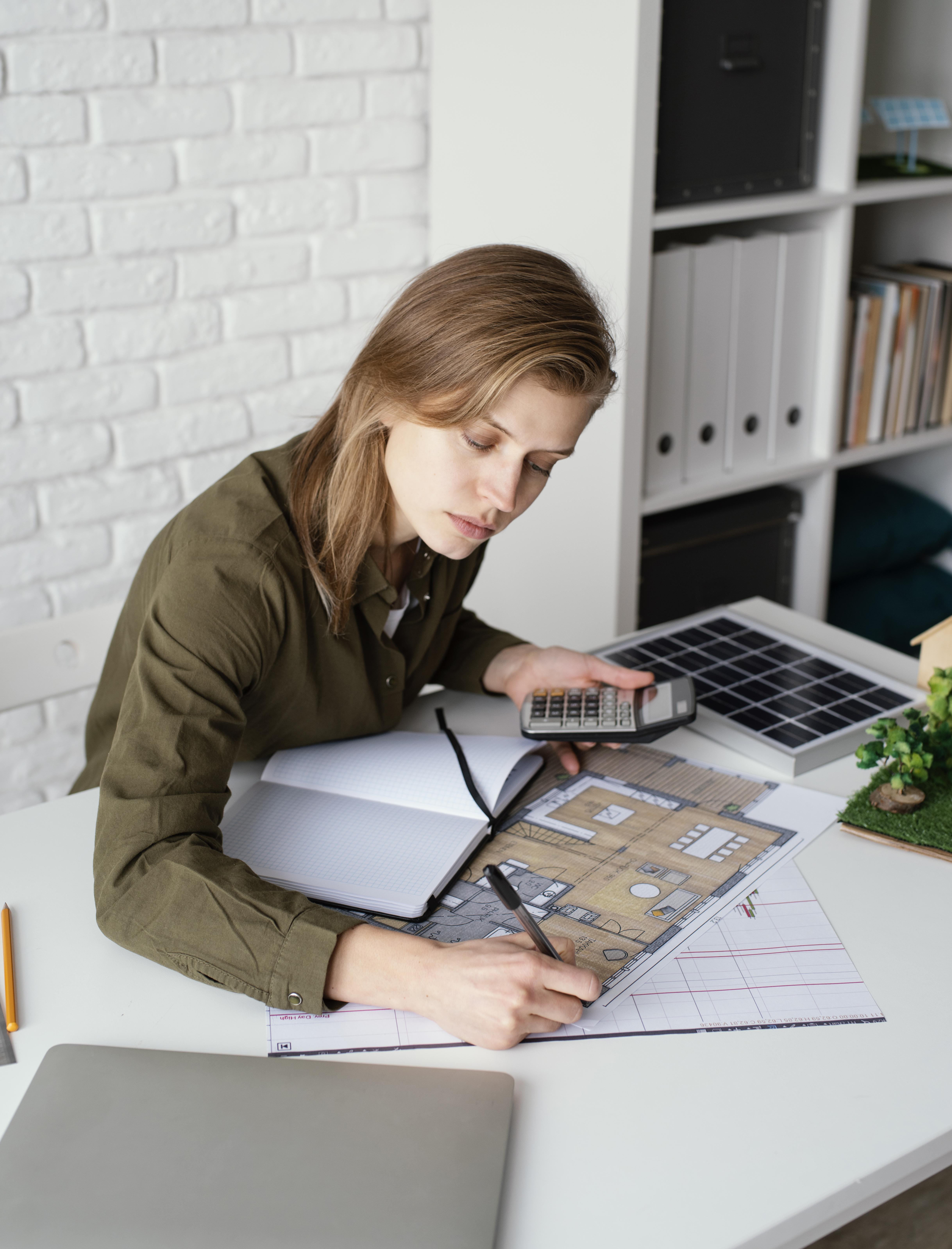
Designing your home is exciting, but without careful planning, it can also become overwhelming and expensive. Whether you’re working with an interior designer or taking the DIY route, these ten things will help you make smarter decisions and avoid common mistakes.
1. Understand Your Lifestyle Needs
- Every household is different. A bachelor pad will have different needs compared to a family home with kids and pets.
- Ask yourself: Do I entertain often? Do I need a home office? Do kids need a play area?
- Your lifestyle dictates the layout, durability of materials, and even the furniture you should buy.
2. Set a Realistic Budget
- Interior design costs can escalate quickly. Break your budget into categories like furniture, flooring, lighting, and décor.
- Pro tip: Always keep 10–15% extra aside for unforeseen expenses like electrical rewiring, carpentry tweaks, or last-minute upgrades.
3. Choose a Design Style
- Having a clear style (modern, minimalist, rustic, bohemian, Scandinavian, traditional, etc.) keeps the design cohesive.
- Create a mood board with colors, textures, and reference images. This helps you and your designer stay aligned.
4. Plan the Layout First
- Before selecting paints or curtains, decide where each piece of furniture will go.
- Ensure there’s enough walking space and that natural light isn’t blocked.
- Think about practicalities: TV viewing distance, dining table circulation, or where sockets are placed.
5. Lighting Can Make or Break a Space
- Use a three-layer lighting approach:
- Ambient: General ceiling or recessed lights.
- Task: Lamps for reading, pendant lights for kitchen counters.
- Accent: Spotlights for art, wall sconces for mood.
- Natural light should also be maximized with sheer curtains or strategic furniture placement.
6. Invest in Quality Where It Matters
- Some pieces are worth splurging on: sofas, mattresses, dining tables, and kitchen cabinetry.
- Save on décor items like cushions, vases, and rugs that can be updated more frequently.
7. Colors and Materials Have a Huge Impact
- Lighter shades make small rooms appear larger; dark tones add drama and coziness.
- Consider the durability of materials:
- Leather or microfiber for pets.
- Washable fabrics for kids.
- Scratch-resistant flooring in high-traffic areas.
8. Storage Should Be Smart & Stylish
- Clutter kills good design. Build storage into beds, coffee tables, and wall units.
- Use vertical space with tall cabinets or floating shelves.
- Hidden storage solutions maintain a clean, minimal look.
9. Think About Comfort & Acoustics
- A home isn’t just about looks—it’s about how it feels.
- Rugs, curtains, and upholstered furniture soften noise and make spaces cozier.
- Ergonomics also matter—choose seating and workspaces that support posture and comfort.
10. Work with Professionals (Wisely)
- If hiring an interior designer, check their portfolio and references. Ensure they understand your vision, lifestyle, and budget.
- If doing it yourself, research thoroughly before making purchases. A wrong paint shade or furniture size can be costly to fix.